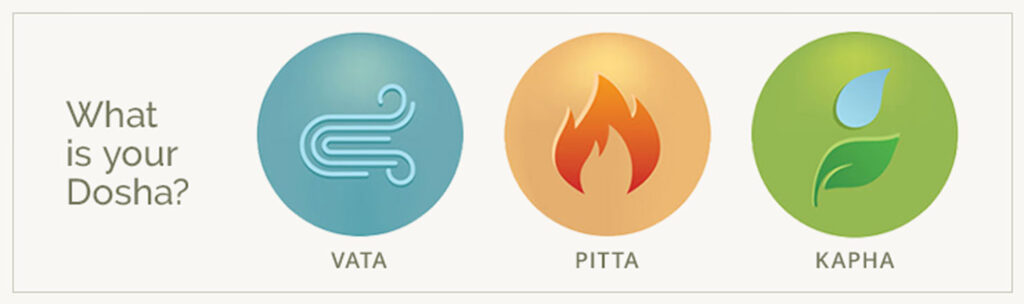


Ayurveda encompasses the holistic concept of health as body and mind wellness. Ensuring a balance of Vata, Pitta, and Kapha (the Tridoshas) results in optimal health. These bio-energies control different systems in our body like digestion, circulation, and movement.
Vata controls movement, the mind, and elimination, Pitta controls digestion, hormones, and metabolism, and Kapha controls lubrication, structure, strength, stability, and immunity.
Hormones are the messengers that control our physical and psychological wellbeing.
What happens to women's health when the Doshas are out of balance?
When Doshas are out of balance women can experience diseases like fibroids, myomas, cysts, and cancer, and emotional fluctuations and hot flashes.
Women are affected more than men by shifts in hormones due to puberty, pregnancy, post-partum, perimenopause, and menopause. These hormonal shifts in a woman’s life make them more susceptible to physical and emotional imbalances.
What are the major reasons for hormonal imbalance according to Ayurveda?
improper diet and lifestyle for Dosha type and imbalances
stress
lack of routine
accumulation of toxins
How to balance hormones according to Ayurveda?
Ayurveda emphasizes aligning ourselves with nature’s rhythms to achieve optimal hormonal health. This holistic approach considers each person’s unique mind-body makeup (Prakriti) and their current state of imbalance (Vikriti). Here are key Ayurvedic strategies for balancing hormones:
Dosha Analysis: Follow dosha-specific diet and lifestyle recommendations based on your individual constitution. This personalized approach ensures that your hormonal balance efforts are tailored to your unique needs.
Dinacharya: Implement an Ayurvedic daily regimen, which is key to maintaining good health. This includes practices like oil pulling, tongue scraping, and eating meals at consistent times.
Meditation and Yoga: Practice regularly to improve circulation, reduce stress, and maintain hormone levels. These practices help balance the mind-body connection, crucial for hormonal health.
Detoxification: Make time for periodic detox to eliminate toxins that can disrupt hormonal balance. This may include seasonal cleanses or specific Ayurvedic detox practices.
Mindful Habits: Prioritize mindful sleep, waking, movement, and eating habits to support overall hormonal health. This includes following natural circadian rhythms and practicing mindful eating.
Dosha-specific advice:
Kapha is dominant in a woman’s early years when the menstrual cycle begins,
Pitta is strongest during their mid-twenties through to menopause, and
Vata takes over during perimenopause and menopause.
Kapha
Balancing Kapha improves the metabolism and helps keep weight gain under control
Eat low-fat foods and exercise regularly to prevent pre-menstrual symptoms
Reduce physical exertion and only eat light meals during menstruation drink turmeric and cumin seed herbal tea to avoid menstrual irregularities.
Pitta
Balancing Pitta is important to regulate menstrual cycles
Do regular exercise
Avoid coffee, synthetic sugar, artificial colors, and cold beverages to avoid menstrual symptoms
Ensure you eat antioxidant-rich fruit, seeds, and dry fruit like dates and raisins to reduce weakness during menstruation
Drink herbal tea prepared with fenugreek and cumin seeds to reduce menstrual pain.
Vata
Balancing Vata is the key to making the perimenopause transitions easier- it reduces hot flashes, improves sleep, and reduces emotional fluctuations
Doing self-Abhyanga (massage), especially a foot massage with sesame oil, helps to aid sleeplessness and hot flashes
Drinking lemongrass or mint tea in the morning and evening helps with hot flashes
Coconut water mixed with Aloe Vera contains potent antioxidants that help regulate hormones.
Leave a Reply