

Enjoying the Holiday Season without Regrets
Diabetes is a complex metabolic disorder affecting millions worldwide. While modern medicine provides effective treatments, many are turning to complementary approaches like Ayurveda, which offers unique holistic protocols that include treatment, yoga, and dietary support for diabetes management.
Ayurveda operates on the principle of supporting the body’s natural healing processes, promoting organ function, and encouraging the pancreas to secrete its natural hormones through balanced diet and medicinal support.
TABLE OF CONTENTS
1. Holiday Indulgence and Balance
2. Ayurvedic Tips for Navigating the Holiday Season
3. Detoxifying Herbal Teas & Bitters
4. Special Considerations for Specific Health Conditions
The holiday season brings joy, festivities, and inevitably, an abundance of delicious foods and treats. While it’s natural to want to indulge, maintaining balance is key to enjoying the season without compromising your health. Here’s some practical tips to navigate holiday celebrations with Ayurvedic wisdom.
1. Holiday Indulgence and Balance
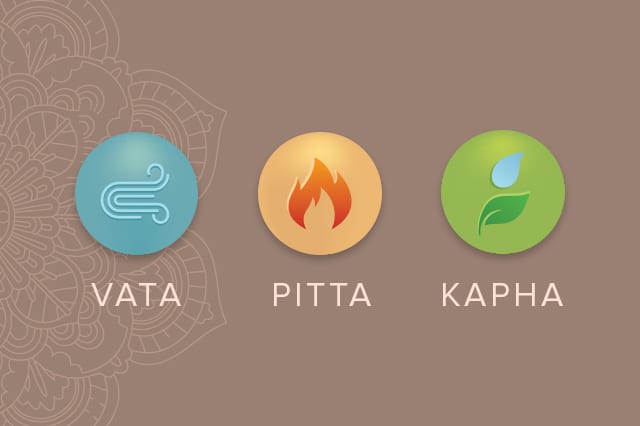
In Ayurveda, Doshas are the three fundamental energies that govern our physical and mental processes: Vata (air/space – movement and nervous system), Pitta (fire/water – digestion and metabolism), and Kapha (earth/water – structure and lubrication). During the holidays, we often encounter an imbalance of all three Doshas.
Â
Vata Imbalance, caused by:
- Irregular eating schedules
- Travel and changing routines
- Rushed meals
- Anxiety around social gatherings
Pitta Imbalance, caused by:
- Rich, spicy foods
- Alcohol consumption
- Late-night eating
- Heated discussions at family gatherings
- Excessive alcohol consumption (especially wine and spirits)
Kapha Imbalance, caused by:
- Heavy, sweet foods
- Excessive dairy
- Sedentary behavior
- Oversleeping

Â
2. Ayurvedic Tips for Navigating the Holiday Season
Mindful Eating:
- Embrace moderation (Madhyama) in food, words, and activities – this is a key principle in Ayurveda
- Slow down, chew well, and enjoy your food mindfully to prevent emotional eating
- Eat your largest meal between 12-2 PM when digestion is strongest
- Allow 3-4 hours between meals
- Avoid late-night snacking on leftovers
- Choose full meals over frequent snacking to maintain steady digestion
- If drinking, consume with food, never on an empty stomach
Smart Food Combinations:
- Avoid combining dairy with fruits as it creates Ama (toxins) that disturbs digestion
- Avoid very cold drinks with meals as it dampens Agni (digestive fire)
- Combine proteins with non-starchy vegetables for optimal digestion
- Avoid combining alcohol with heavy, rich foods
Digestive Spices to Enhance your Meals:
When preparing your holiday dishes, incorporate these warming spices to enhance digestion, reduce bloating, and help prevent vent the formation of Ama (toxins):
- Add ginger, black pepper, and cumin to heavy dishes
- Include cardamom in sweet dishes
- Use cinnamon with dairy-based dishes
- Add turmeric to savory preparations
Stay Active:
After a heavy meal, take a walk with family and friends, to help digestion.
Practice gentle Yoga Asanas that support proper digestion and prevent post-meal sluggishness:
- Vajrasana (Diamond Pose) – after meals
- Pawanmuktasana (Wind-Relieving Pose) – before bed
- Ardha Matsyendrasana (Seated Spinal Twist) – morning
3. Detoxifying Herbal Teas & Bitters
Morning Wake-Up:
- Fresh ginger and lemon tea:
- Preparation: Steep fresh ginger slice in hot water, add lemon juice after water cools slightly
- Benefits: Stimulates digestion, cleanses the system, and boosts metabolism
- Caution: Not recommended for those with high pitta or sensitive digestion; use lime instead of lemon if sensitive
Before Meals:
- CCF Tea (Cumin-Coriander-Fennel)
- Preparation: Equal parts of each seed, steep 1 tsp mixture in hot water for 5-10 minutes
- Benefits: A cornerstone of Ayurvedic digestive health, this traditional tea blend helps reduce bloating, supports nutrient absorption, and balances all three doshas
After Meals:
- Fresh mint and cardamom tea
- Preparation: Steep fresh mint leaves and 2-3 cardamom pods in hot water
- Benefits: Soothes the digestive system, freshens breath, and helps prevent post-meal bloating
2. Green tea
- Benefits: Enhances metabolism, stabilizes blood sugar, and aids digestion
3. Counter sweet treats with bitter and astringent foods
- Easily available bitter foods: dark leafy greens (kale collards), arugula, bitter gourd, dark chocolate (85% or
higher) - Astringent foods: pomegranate, cranberries, green apples, green beans, broccoli, cauliflower, legumes
4. Special Considerations for Specific Health Conditions
For targeted support with specific health concerns, explore our detailed guides:
- Digestive Issues: Ayurveda and Gut Health
- Blood Sugar Management: Ayurvedic Approach to Diabetes
- Weight Management: How Can Ayurveda Help Treat Obesity
Remember, the goal isn’t to restrict enjoyment but to create harmony between celebration and well-being. These Ayurvedic principles help maintain balance while fully participating in holiday festivities.

Leave a Reply